Payment Gateways For ECommerce In Connecticut | 10 Secure Payment Hubs
Connecticut ecommerce businesses compete globally while serving local shoppers. Your payment gateway handles payments from cards, banks and mobile wallets. Choosing poorly can make customers leave without buying, upset buyers or cause security issues that lose money.
You need a gateway that works with your store, charges fair rates, follows Connecticut rules and offers local support. The best choice depends on your sales amount, store type and growth plans. The top gateways here offer local help, strong fraud protection and tools for your business.
1. Shopify Payments

This ranks as the top choice for Connecticut ecommerce businesses using Shopify's platform. It is built into the platform so there is no separate gateway and setup is instant. Using this gateway avoids extra transaction fees that other providers often add, which can save a lot as sales grow.
The gateway accepts major credit cards, Apple Pay, Google Pay and Shop Pay accelerated checkout. The system runs automated risk checks and holds suspicious orders for manual review before payment, payouts arrive the next business day. No fees and you can sell in multiple currencies.
Shopify Payments links with Shopify POS so in-store and online sales sync. Processing rates are online 2.9% plus $0.30 per transaction and in-person 2.7% plus $0.00 per transaction. Shopify Payments works only with Shopify stores, so it is not an option for other sites.
2. Stripe

Stripe suits Connecticut tech firms and online businesses that need a custom checkout and advanced features. Its API lets developers build tailored payment flows while keeping PCI compliance.
The platform handles recurring billing, automatic retries for failed charges and provides detailed analytics that show sales trends and customer value. Stripe supports more than 135 currencies and many local payment methods.
Other tools are Radar fraud detection using machine learning, revenue recovery for failed subscription payments, automated tax calculation, virtual and physical corporate card issuing. Standard processing rates are 2.9% plus $0.30 per successful transaction, with extra fees for international cards and currency conversion.
3. PayPal
PayPal makes online checkouts feel safer for Connecticut shoppers. Many already use it, with 435 million users worldwide. Studies show adding PayPal can boost sales by 82%. Sellers can accept PayPal, Venmo, credit cards and some crypto through one system.
Buyers get protection if they're charged without permission or receive the wrong item, and sellers are protected against fraud when they ship correctly. PayPal also helps in reducing fraud in online transactionsthrough buyer and seller protections and fraud monitoring.
The trusted PayPal brand, a "pay in 4" option for bigger orders, QR codes for in-store sales, business loans for some sellers and 24/7 support are its other tools. Fees start at 3.49% plus a set amount per transaction. While the fees are higher, the sales increase often covers the cost.
4. Square Online
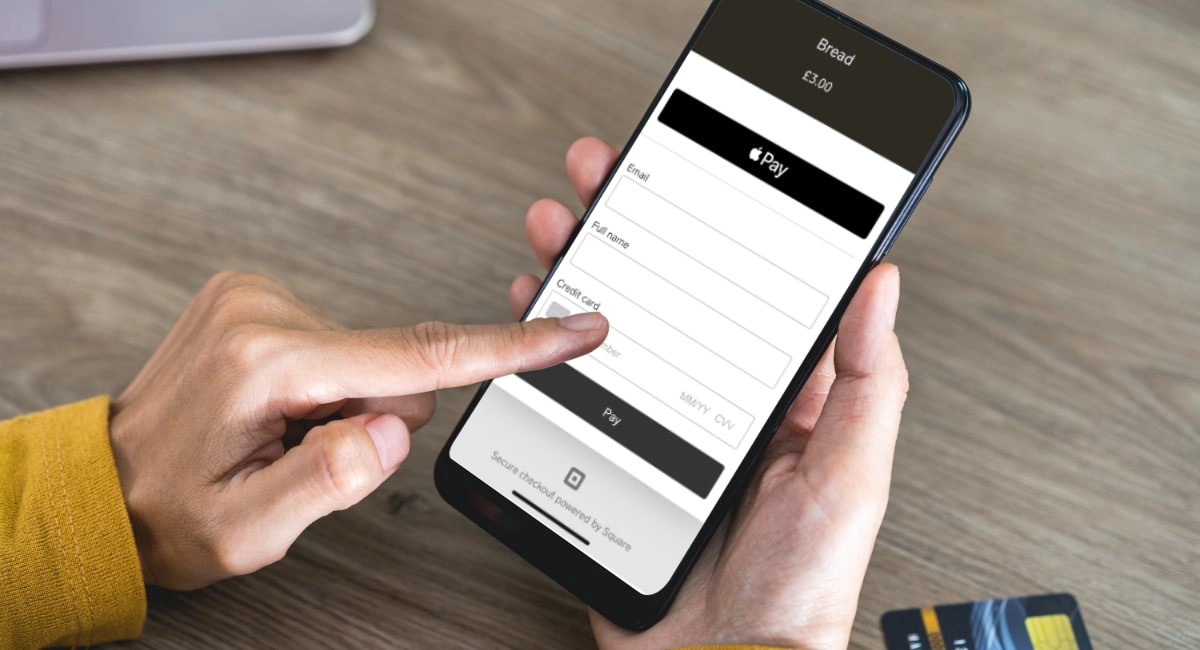
Square Online gives small Connecticut businesses a free ecommerce site with payment processing. It includes website hosting, unlimited products and one system for online and in-person sales. You pay nothing monthly, only when you make a sale.
Online sales cost 2.9% plus 30 cents; in-person sales cost 2.6% plus 10 cents. There are no hidden fees or surprise costs. It offers tools a free POS app, customer history, email marketing, and same-day deposits for a 1.5% fee for small shops,
Local restaurants, boutiques and service providers value Square’s unified setup. Sellers can take orders online through the Square gateway, accept in-person payments with Square terminals and manage both channels from a single dashboard.
5. Authorize.Net
Authorize.Net is one of the oldest and most trusted gateways for Connecticut ecommerce, since 1996. The gateway works well for subscription services, its recurring billing handles regular charges and flexible schedules.
Its Advanced Fraud Detection Suiteuses custom filters to flag issues like billing and shipping mismatches, very large orders, and many purchases from the same IP address. Authorize.Net supports eCheck (ACH) payments with lower fees than card payments.
It also offers features like secure storage of customer payment profiles, a virtual terminal for phone and mail orders, automatic card updates for expired numbers. Pricing starts around $25 per month plus transaction fees and you must set up a separate merchant account.
6. Braintree
Braintree is a PayPal-owned gateway used by fast-growing startups and tech firms in Connecticut. It combines PayPal’s global reach with developer tools that match Stripe’s ease of use.
App builders benefit from native iOS and Android SDKs that make in-app payments simple to add and the drop-in UI supplies ready-made payment forms that handle tokenization. The platform accepts PayPal, Venmo, cards and other digital wallets through a single integration.
It also supports split payments for marketplaces and more than 130 currencies for selling abroad. It also offers advanced fraud rules and lets you export your customer data if you need it. Standard processing is 2.9% plus 30 cents per transaction with no monthly fee for most merchants.
7. 2Checkout - Now Verifone
2Checkout, now Verifone, handles global payments for sellers who work across borders. It converts currencies, collects international taxes and supports local payment options in more than 200 countries.
Connecticut stores selling digital products or software benefit from its subscription tools. These manage changes, fix failed payments and handle cancellations. It sends emails to fix failed payments before subscriptions end and reminds customers about items left in carts.
The system offers checkouts in 15+ languages, follows tax rules like EU VAT, accepts bank transfers and e-wallets, creates business invoices and has an affiliate program.US fees are 3.5% plus 35 cents per sale, plus extra for cross-border sales. It saves time for stores with global customers by handling payments, taxes and currency in one place.
8. Adyen
Adyen is a payment platform for big and mid-sized businesses with high sales volumes. Companies like Uber, eBay and Spotify rely on it for payments. It gives retailers one view of customer payments across online, mobile and store sales.
Their fraud tools use machine learning to approve more valid payments, boosting sales. The system cuts costs by connecting directly to banks, shows real-time sales data and supports over 250 payment methods worldwide.
It includes setup help and custom pricing that lowers fees for large businesses. Adyen works well for big companies planning growth but isn't right for small businesses that keep communities healthyand many of them will find Adyen too large and costly for their needs.
9. Bank Of America Gateway
Bank of America Gateway gives Connecticut companies local bank relationships plus modern ecommerce payment processing. If you already bank with Bank of America, accounts link smoothly so you can manage money in one place.
The service includes free fraud prevention tools, a virtual terminal and PCI compliance support at no added cost. You avoid many costly extras that other processors often require. Same-day or next-day funding helps cash flow.
Key benefits include round-the-clock U.S.-based technical help services, experienced merchant consultants, direct integration with Business Advantage accounts, no extra charges for security tools and several ways to connect to your website or point-of-sale system.
10. Electronic Merchant Systems - EMS

Electronic Merchant Systems provides local payment processing tailored for Connecticut small businesses. With more than 30 years in the state, EMS assigns local staff who install equipment, train teams and offer ongoing assistance.
That hands-on approach helps non-technical owners get professional payment systems without tech headaches. EMS also builds websites and online stores, offers hosting and API integration, and supports inventory management, sales reporting, and recurring billing.
Local advantages include in-person setup and training, a dedicated support team based in the state, next-business-day funding, no cancellation fees and free equipment for qualifying merchants. Pricing is set case by case based on business type, monthly volume and processing history.
Key Factors Connecticut Businesses Must Check
Security And PCI Compliance
Payment systems must meet PCI DSS Level 1. That requires yearly security audits, penetration testing and meeting 12 rules that protect card data.
Tokenization swaps sensitive details for random tokens so stolen data cannot be used without gateway keys. End-to-end encryption keeps card information scrambled while it moves.
Fraud tools watch transaction patterns and flag unusual activity such as orders from foreign IPs to local addresses, many rapid purchases from one account or order amounts that differ from past behavior.
Integration With Your Ecommerce Platform
Your gateway should fit your online store. Hosted payment pages send customers to the gateway’s secure site and keep sensitive data off your servers, which reduces your PCI burden but may interrupt checkout flow.
On-site integration keeps customers on your site and uses APIs or embedded forms; this needs PCI compliance but usually converts better. Pre-built plugins speed up setup for platforms like Shopify and WooCommerce. Custom sites need developers who can work with gateway APIs and webhooks.
Pricing And Fee Transparency
Processing fees add up fast. Typical rates run about 2.5% to 3.5% plus $0.20 to $0.35 per transaction. Interchange-plus pricing shows the card network fee plus the processor’s markup and offers clear comparison.
Ask for full fee schedules that list monthly gateway fees, setup costs, PCI charges, statement fees and minimums so you can calculate the true effective rate. High-volume merchants often get lower rates after crossing monthly thresholds, commonly between $50,000 and $100,000, so shop around and negotiate.
Customer Support And Technical Help
Payment failures hurt sales immediately. Around-the-clock support prevents long outages. Phone support often solves tricky problems faster than email and live chat helps with routine issues.
Local support teams who share your time zone can respond faster and understand regional needs. Good documentation, API guides, code samples, and tutorial videos speed up implementation and troubleshooting.
Implementation Best Practices
Test in a sandbox before going live. Run scenarios for successful payments, declined cards, partial refunds, voids, expired cards, and failed authentication.
Do load testing to confirm the gateway holds up for peak events like Black Friday and Cyber Monday. Check payment forms on desktop, tablets and phones since mobile traffic is the majority of ecommerce visits.
Checkout Experience
Keep checkout short and clear. Only ask for essential fields: name, email, shipping address, and payment details. Offer guest checkout so first-time buyers can check out without creating an account.
Show progress so customers know how many steps remain. One-page checkouts often perform better than multi-step flows. Offer popular payment methods: cards, digital wallets like Apple Pay and Google Pay and buy-now-pay-later services such as Affirm, Afterpay, and Klarna to raise average order value.
Monitoring Performance And Metrics
Track authorization rates, numbers under 85% suggest problems like over-strict fraud rules or technical faults. Watch chargeback rates closely; values above 0.9% can trigger penalties or account closure.
Analyze cart abandonment to find weak spots in the payment process, such as trust concerns, technical errors, or surprise fees. Settlement speed affects cash flow; next-day funding is better than waiting 3 to 5 days, and some processors offer instant payouts for a fee.
Choose a gateway that meets security standards, fits your platform, shows all fees, offers strong support, and passes thorough testing. These steps will reduce payment problems and protect your revenue.
FAQs About Connecticut Payment Gateways
What Is The Cheapest Gateway For Small Connecticut Stores?
Square and Stripe are often the cheapest for small sellers because they charge no monthly fee and use a standard rate of about 2.9% plus 30¢ per sale. True cost depends on your monthly volume, average order size and product mix.
Do Online Sellers In Connecticut Need Special Licenses?
Special state license is needed just to accept payments through a major gateway. The gateway usually handles money transmitter rules. You must still register for sales tax with the Connecticut Department of Revenue Services.
How Fast Do Payment Gateways Send Money To Business Accounts?
Most gateways pay out in one to three business days. Established accounts with Shopify Payments, Stripe or Square often see funds in one to two days. Some banks and processors offer same-day payouts for approved merchants.
Can More Than One Payment Gateway Be Used At The Same Time?
Many shops accept cards with one gateway and PayPal or crypto with another to give customers choices. Using multiple providers adds technical work and makes accounting harder.
What Happens If My Connecticut Business Has Too Many Chargebacks?
Card networks flag merchants with chargeback rates above about 0.9 percent as high risk. That can bring penalty fees, extra monitoring, rolling reserves that hold back some funds, or even account closure.
How Do Payment Gateways Deal With Sales Tax For Connecticut Sellers?
Most gateways only handle the payment itself and do not calculate or collect sales tax. Use your store platform or a tax tool like TaxJar or Avalara to figure tax rates by customer location and product type.
Final Thoughts
Payment gateways change your checkout process, sales numbers, costs and growth. Prioritize security, easy setup, and clear pricing. Get a full fee list showing all charges. Check their pre-sale support to see future service quality. Shopify Payments works best for Shopify stores.
Stripe fits teams needing custom setups. PayPal builds quick trust. Square is good for small sellers on a budget. Some offer instant payouts for a fee when you need cash fast. Get quotes from 3-5 providers. Calculate total costs based on your expected sales.
Also Check Out: The Role Of Virtual Cards In The Cashless Economy