30 Virtual Cards For Content Creators - Best Picks And Uses
Why Virtual Cards For Content Creators Are Becoming Essential
Content creation today depends on multiple tools: editing software, hosting platforms, AI tools, and ads. Most of these run on monthly subscriptions.
If you use one card for everything, it becomes hard to track spending. You also risk failed payments, unexpected charges, or even losing access to important tools.
This is why many creators now use virtual cards for content creators. They help you separate expenses, control your budget, and pay for tools safely.
When used properly, virtual cards make your entire workflow more organized and easier to manage.
Virtual Cards For Content Creators (Quick Summary)
- Virtual cardsare digital payment cards used for secure online transactions
- Creators use them to manage subscriptions, ads, and global payments
- You can create multiple cards for different tools or budgets
- Many platforms support USD and international payments
- The best option depends on your location, fees, and workflow needs
What Are Virtual Cards And Why Content Creators Use Them?
A virtual card is a digital payment card that you can create online. It is linked to your bank account, wallet, or balance, but it does not exist as a physical card.
Just like a normal debit or credit card, a virtual card for online payments has:
- A card number
- An expiry date
- A CVV security code
You can use it to pay for:
- Subscriptions (like Canva, Adobe, AI tools)
- Ads (Facebook, Google, TikTok)
- Online services and software
Most virtual card providers give you full control. You can:
- Create multiple virtual cards instantly
- Set spending limits for each card
- Freeze or delete a card anytime
- Use one card per subscription or tool
This is why many people now prefer virtual cards for content creators instead of using one physical card for everything.
Another important benefit is security. According to Investopedia, virtual cards help reduce fraud in online transactionsbecause they hide your real card details and limit how each card can be used.
This makes secure online payments much safer, especially when using new or unknown platforms.
Benefits Of Virtual Cards For Content Creators
For content creators, virtual cards are not just useful; they are necessary for managing digital work.
Here are the main benefits of using virtual cards for content creators:
1. Better Security For Online Payments
Virtual cards help protect your money. You can avoid unauthorized charges from tools, ads, or websites you don’t fully trust.
2. Full Control Over Subscriptions
You can assign one virtual card to each tool or platform. This makes it easy to manage subscriptions and avoid hidden charges.
3. Easier Budgeting And Expense Tracking
Using different virtual cards helps you track spending across:
- Tools
- Ads
- Projects
This improves your budgeting as a content creator.
4. Flexibility For Global Payments
Many virtual cards support international payments, including USD transactions. This is important if you use global tools or work with international platforms.
5. Cleaner Financial Workflow
Instead of mixing everything in one account, virtual cards for content creators help you organize your payments clearly.
Types Of Virtual Cards
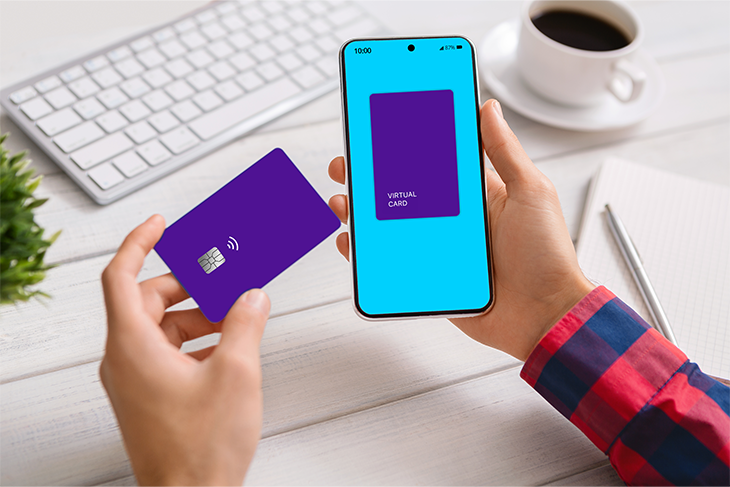
Understanding card types helps you avoid costly mismatches.
Prepaid Vs Debit Vs Credit-backed
- Prepaid virtual cards:You load funds manually
- Debit-backed cards:Linked directly to your account balance
- Credit-backed cards:Spend on credit (less common for creators globally)
Each type affects:
- Spending limits
- Fees
- Approval requirements
Single-use Vs Reusable Cards
- Single-use cards:Expire after one transaction (best for risky payments)
- Reusable cards:Used for subscriptions or recurring expenses
How Content Creators Actually Use Virtual Cards
Many content creators earn money from different platforms through ads, sponsorships, and digital products. Understanding a real digital content creator's earningbreakdown helps you see how income is generated and why managing payments properly is important.
1. Managing Subscriptions (tools And SaaS)
Content creators use many tools every month, such as:
- Canva
- Adobe
- AI tools (like ChatGPT, Midjourney)
- Website hosting platforms
- Email marketing tools
When all these payments go through one card, it becomes hard to track spending. It also increases the risk of failed payments.
A smarter system is to use virtual cards for subscriptions. Here’s how creators do it:
- Create one virtual card per tool or category
- Set monthly spending limits on each card
- Use separate cards for design tools, AI tools, and hosting
This makes it easier to:
- Cancel subscriptions
- Identify unwanted charges
- Stay in control of monthly costs
Using virtual cards for content creators in this way helps you avoid billing confusion and keeps your workflow organized.
2. Running Ads (Facebook, Google, TikTok)
Many creators run ads to grow their audience or sell products. This includes:
- Facebook Ads
- Google Ads
- TikTok Ads
Using one main card for ads can be risky. If something goes wrong, your campaigns may stop.
This is where virtual cards for ad payments become very useful. With virtual cards, you can:
- Isolate ad budgets (one card per platform)
- Set spending limits to prevent overspending
- Avoid account issues caused by failed payments
For example:
- One virtual card for Facebook Ads
- One virtual card for Google Ads
This setup gives better control and reduces risk.
3. Budgeting And Expense Tracking
Many creators try to track expenses using spreadsheets. But this can become confusing over time.
A better approach is to use virtual cards for budgeting and expense tracking. Here’s how it works:
- Assign one virtual card per project or task
- Use separate cards for tools, ads, and services
- Track spending directly from your virtual card dashboard
Most virtual card providers show real-time spending data. This makes it easier to:
- See where your money is going
- Stay within your budget
- Make better financial decisions
Using virtual cards for content creators simplifies budgeting without relying only on manual tracking.
4. International Payments And Global Tools
Many content creators use tools from different countries. This creates problems like:
- Currency conversion fees
- Payment failures
- Limited access to global platforms
This is why virtual cards for international payments are important.
With the right virtual card, you can:
- Use USD virtual cards for global tools
- Pay for services in different currencies
- Avoid unnecessary conversion issues
Many multi-currency virtual cards also support global platforms like:
- Stripe
- PayPal
- International SaaS tools
This gives content creators more freedom to work globally.
30 Best Virtual Cards For Content Creators

This list is built to help you choose the right virtual cards for content creators based on real use cases. If your main goal is managing subscriptions, you need virtual cards for online payments that give you control, security, and flexibility.
Below are some of the best virtual card providersfor handling recurring payments, tools, and SaaS subscriptions.
Best Virtual Cards For Subscriptions (tools And SaaS)
1. Privacy.com
Privacy.com is one of the most trusted virtual cards for content creators who want full control over subscriptions. It allows you to create a unique virtual card for each tool, which helps you separate payments and avoid confusion.
This is very useful if you use tools like Canva, Adobe, or AI platforms. You can set spending limits, lock a card to one merchant, and stop unwanted charges instantly. This makes Privacy.com one of the best virtual cards for secure online payments and subscription control.
2. Revolut
Revolut offers flexible virtual cards for content creators who need both security and daily spending control. It supports both disposable cards for one-time payments and reusable cards for subscriptions.
This makes it easy to manage recurring payments while also protecting your account from fraud. Many creators use Revolut as a reliable virtual card for subscriptions and international payments, especially when working with global tools.
3. Wise
Wise is a strong option for creators who need virtual cards for international payments and multi-currency transactions. It allows you to hold and spend money in different currencies without high conversion fees.
If you pay for tools in USD or other foreign currencies, Wise helps reduce costs and avoid payment issues. This makes it one of the best virtual cards for global content creators and online subscriptions.
4. Skrill
Skrill provides a prepaid virtual card for online payments, which works well for subscriptions and digital services. It is easy to set up and widely accepted across many platforms.
For content creators, Skrill is useful when you want a simple way to pay for tools without linking your main bank account. It is a practical option for those looking for virtual cards for content creators with basic features and global support.
5. Neteller
Neteller is another popular option for virtual cards for content creators who need fast and reliable online payments. It works well for subscriptions, digital services, and global transactions.
It is especially useful if you work with international platforms or need a backup payment method. Many creators use Neteller as a dependable virtual card for subscriptions and secure transactions.
6. Paysera
Paysera offers virtual cards for content creators in Europe and supported regions. It provides low-cost transactions and is suitable for freelancers managing multiple subscriptions.
For creators who want a simple and affordable solution, Paysera works well for handling recurring payments. It is a solid choice for virtual cards for subscription management and everyday online spending.
7. Monese
Monese provides virtual cards linked to a digital banking system, making it easier to manage your money in one place. It is designed for users who want both banking and payment tools together.
For content creators, Monese helps organize subscriptions and track spending without complexity. It is a good option for those looking for virtual cards for content creators with simple setup and clear expense tracking.
Best Virtual Cards For Global Creators
8. Wise
Wise is one of the best virtual cards for global content creators who need multi-currency support. It allows you to hold and spend money in over 40 currencies, which makes it easier to pay for international tools and services.
If you work with platforms that charge in USD, EUR, or GBP, Wise helps you avoid high conversion fees. This makes it a top choice for virtual cards for international payments and global subscriptions, especially for creators working across different countries.
9. Payoneer
Payoneer is widely used by freelancers and digital creators who receive payments from global clients. It offers virtual cards for content creators who earn and spend internationally.
With Payoneer, you can receive money in different currencies and then use your virtual card to pay for tools or services. This makes it one of the most practical virtual cards for global payments and cross-border transactions.
10. Revolut
Revolut is a strong option for virtual cards for content creators who need both local and global payment support. It offers multi-currency accounts and allows you to spend in different currencies easily.
Creators use Revolut to manage subscriptions, pay for global tools, and control spending in real time. This makes it a reliable virtual card for international payments and budgeting.
11. Stripe Issuing
Stripe Issuing is designed for businesses and advanced users who want to create their own virtual cards for online payments. It is widely used by startups, platforms, and digital businesses.
For content creators running teams or platforms, Stripe allows you to issue and manage multiple cards programmatically. This makes it a powerful solution for virtual cards for content creators managing large-scale payments and operations.
12. Airwallex
Airwallex is built for global businesses and offers virtual cards for international payments with strong currency support. It helps reduce fees when paying across different countries.
Content creators who work with global tools or teams can use Airwallex to manage spending in multiple currencies. It is a strong choice for virtual cards for global content creators and international workflows.
13. Payhawk
Payhawk focuses on expense management and offers virtual cards for content creators who want full control over team spending. It is commonly used by businesses and growing creator teams.
With Payhawk, you can assign cards to team members, set limits, and track expenses in real time. This makes it ideal for virtual cards for content creators managing budgets, teams, and global expenses.
Best Virtual Cards For Privacy And Security
14. Privacy.com
Privacy.com is one of the most trusted virtual cards for content creators who want maximum security for online payments. It allows you to create unique card numbers for each website, which protects your real card details.
This is very useful when signing up for new tools or unknown platforms. You can also set limits or pause cards at any time, making it one of the best virtual cards for secure online payments and subscription protection.
15. Capital One Virtual Cards
Capital One offers virtual cards for content creators who want extra protection when shopping or paying online. These cards are linked to your main credit account but use a different card number.
This helps reduce fraud because your real card details are never shared. It is a strong option for virtual cards for secure transactions and everyday online payments, especially for creators in supported regions.
16. Citi Virtual Accounts
Citi provides virtual card numbers that add an extra layer of security for online payments. These cards are designed to protect your main account when making purchases on different websites.
For content creators, this is helpful when paying for tools, ads, or services online. It is a reliable choice for virtual cards for content creators who prioritize payment security and fraud protection.
17. Skrill
Skrill offers a prepaid virtual card for online payments with built-in security features. It allows you to make payments without directly exposing your main bank account.
This makes Skrill a good option for creators who want virtual cards for secure online payments and controlled spending, especially when using global platforms or services.
18. Neteller
Neteller is widely used for virtual cards for content creators who need safe and reliable online transactions. It supports secure payments and works well for digital services and subscriptions.
Many creators use Neteller as a backup or secondary payment method. It is a solid option for virtual cards for secure payments, fraud protection, and global online use.
Best Virtual Cards For Freelancers And Small Teams
19. Brex
Brex offers advanced virtual cards for content creators, freelancers, and small teams who need strong expense control. It is designed for startups and digital businesses that manage multiple payments.
With Brex, you can create multiple virtual cards, set spending limits, and track expenses in real time. This makes it one of the best virtual cards for content creators managing team budgets and business spending.
20. Ramp
Ramp is known for its focus on cost control and automation. It provides virtual cards for freelancers and small teams who want to reduce unnecessary spending.
Creators can use Ramp to assign cards to different team members or tasks. This makes it easier to monitor expenses and stay within budget, making it a strong virtual card for content creators focused on financial efficiency.
21. Mercury
Mercury is a digital banking platform that offers virtual cards for content creators running online businesses or agencies. It combines banking and payment tools in one place.
This helps freelancers and teams manage income, expenses, and subscriptions without switching between multiple platforms. It is a practical option for virtual cards for content creators who want simple financial management and clear tracking.
22. Payhawk
Payhawk is built for businesses that need full control over spending. It offers virtual cards for content creators managing teams, projects, and multiple expenses.
You can assign cards to team members, set limits, and monitor spending in real time. This makes it ideal for virtual cards for content creators handling team expenses and structured budgets.
23. Divvy
Divvy provides virtual cards for freelancers and small teams who want better budgeting and expense visibility. It combines card usage with built-in budgeting tools.
Content creators can use Divvy to allocate funds to different projects or campaigns. This makes it a useful virtual card for content creators who need clear budget control and spending discipline.
24. Qonto
Qonto is a business-focused platform that offers virtual cards for content creators and freelancers in supported regions. It is designed to simplify business payments and expense tracking.
With Qonto, you can manage multiple cards, track team spending, and organize finances easily. It is a reliable option for virtual cards for content creators who want structured financial workflows and team management tools.
Emerging And Region-friendly Virtual Cards For Content Creators
25. Flutterwave (Africa)
Flutterwave offers virtual cards for content creators in Africa who need reliable online payment solutions. It is one of the most popular fintech platforms in the region and supports both local and international transactions.
Creators can use Flutterwave to generate virtual cards for subscriptions, ads, and global tools. This makes it a strong option for virtual cards for African content creators who want access to global payments and secure online transactions.
26. Chipper
Chipper provides simple and accessible virtual cards for content creators in Africa and supported regions. It is known for easy setup and user-friendly mobile access.
Content creators can use Chipper to pay for online services and manage digital expenses. It is a good choice for virtual cards for content creators who want fast, simple, and low-barrier access to online payments.
27. Grey (USD Cards For Africa)
Grey focuses on providing USD virtual cards for content creators in Africa who need to pay for international tools. It helps users access global platforms that require foreign currency payments.
This makes Grey very useful for creators paying for AI tools, hosting, and SaaS platforms. It is one of the best virtual cards for content creators needing USD payments and international access.
28. Barter (Flutterwave Legacy Users)
Barter, previously powered by Flutterwave, has been widely used by creators for virtual cards for online payments and subscriptions. Many existing users still rely on it for managing digital spending.
It allows users to create virtual cards and control payments easily. This makes it a practical option for virtual cards for content creators who are already familiar with the Flutterwave ecosystem.
29. Klasha
Klasha provides virtual cards for content creators who need to pay international merchants from Africa. It focuses on enabling cross-border payments and simplifying global transactions.
Creators can use Klasha to pay for tools, services, and platforms outside their country. It is a useful virtual card for content creators managing international payments and global subscriptions.
30. Payday
Payday offers modern virtual cards for content creators in Africa who want access to global financial tools. It supports multi-currency accounts and easy card creation.
This helps creators receive money, hold foreign currency, and pay for online services without stress. It is a strong option for virtual cards for content creators looking for flexible and global-friendly payment solutions.
How To Choose The Right Virtual Card For Content Creators
Choosing the right virtual card for content creators is important if you want to manage your payments, subscriptions, and expenses properly. Not every virtual card works the same way, so you need to pick one that fits your workflow.
Before you decide, use this simple checklist to compare different virtual card providers and avoid common mistakes.
Decision Checklist For Virtual Cards
When choosing the best virtual cards for content creators, use this detailed checklist to make the right decision:
Does The Virtual Card Support Your Country?
Always confirm availability first. Many virtual card providers only operate in specific regions. If the card does not support your country, you won’t be able to create or use it properly.
Are The Fees Clear And Transparent?
Check all costs before signing up. A good virtual card for online payments should clearly show:
- Card creation fees
- Transaction fees
- Foreign exchange (FX) charges
Hidden fees can increase your monthly expenses without you noticing.
Can You Create Multiple Virtual Cards Easily?
The best virtual cards for content creators allow you to generate multiple cards instantly. This helps you:
- Assign one card per subscription
- Separate ad budgets
- Organize project expenses
Does It Support USD Or Multi-currency Payments?
If you use global tools, choose a virtual card with USD or multi-currency support. This reduces payment failures and helps avoid high conversion costs when paying for international services.
Are There Strong Spending Controls?
A reliable virtual card for content creators should let you:
- Set spending limits
- Freeze or delete cards anytime
- Track transactions in real time
These features help you stay in control of your money.
Does It Integrate With Your Tools And Platforms?
Make sure the virtual card for online payments works smoothly with:
- PayPal
- Facebook, Google, or TikTok Ads
- SaaS tools like Canva, hosting platforms, and AI tools
Good integration prevents payment errors and workflow interruptions.
Is The Platform Secure And Reliable?
Choose a trusted virtual card provider with strong security features. Look for encryption, fraud protection, and good user reviews to ensure safe transactions.
Does It Fit Your Workflow As A Content Creator?
The most important factor is how well the card fits your system. The best virtual cards for content creators should match how you manage subscriptions, ads, and expenses daily.
Common Mistakes To Avoid When Using Virtual Cards
Many content creators start using virtual cards for content creators but still make simple mistakes that reduce the benefits. Avoiding these mistakes will help you stay in control of your spending and payments.
Using One Card For Everything
One of the most common mistakes is using a single card for all payments. This includes subscriptions, ads, tools, and personal expenses.
When you use one card, it becomes difficult to track where your money is going. It also increases the risk of failed payments and unexpected charges. The best approach is to use multiple virtual cards for content creators, with one card for each tool or category.
Ignoring Fees And FX Rates
Many creators do not check fees before using a virtual card for online payments. This can lead to higher costs over time.
Some virtual card providers charge for transactions, currency conversion, or card creation. If you pay for global tools, ignoring foreign exchange (FX) rates can make your expenses much higher. Always review the fee structure before choosing a virtual card.
Not Separating Business And Personal Spending
Mixing personal and business payments is another common mistake. It makes it hard to track your expenses and understand your real business costs.
Using separate virtual cards for content creators helps you keep your finances clean. You can assign different cards for tools, ads, and personal use, which improves clarity and financial control.
Forgetting To Track Recurring Subscriptions
Subscriptions can easily pile up if you don’t monitor them. Many creators forget about tools they no longer use, but the charges continue.
Using virtual cards for subscriptions makes it easier to track recurring payments. You can quickly see which tools are active and cancel unwanted services by freezing or deleting the card.
Choosing Tools Unavailable In Your Region
Some virtual card providers are not available in all countries. Choosing the wrong one can lead to failed payments or limited features.
Before signing up, always check if the virtual card for content creators supports your region and works with your local banking system. This avoids frustration and ensures smooth payments.
People Also Ask
Why Should Content Creators Use Virtual Cards?
Content creators use virtual cards for content creators to manage subscriptions, control spending, and make secure online payments without risking their main account.
Which Virtual Cards Work Best For International Payments?
Some of the best virtual cards for global content creators include Wise, Payoneer, and Revolut because they support multiple currencies and international transactions.
Do Virtual Cards Support USD Payments?
Yes, many virtual cards for content creators support USD and other currencies. This is useful when paying for global tools and services.
Can I Create Multiple Virtual Cards?
Yes, most virtual card providers allow you to create multiple cards. This helps you separate spending for subscriptions, ads, and different projects.
Final Thoughts
Managing subscriptions, ads, and tools with one card can quickly get messy. Using virtual cards for content creators helps you stay organized, control spending, and avoid payment issues.
The key is to choose a virtual card that fits your workflow and supports your needs. When used правильно, it makes your entire payment system simple and efficient.
If you found this helpful, consider sharing it with other creators who want better control over their finances.